Review: Christmas Baby Deer with Santa Hat Design
As a designer who has spent countless hours hooping fabric and troubleshooting thread breaks, I approach every new machine embroidery design with a mix of optimism and skepticism. We have all seen those cute digital previews that look flawless on screen but turn into a tangled mess of bird’s nests on the garment. When I first loaded the Christmas Baby Deer with Santa Hat file into my software, I was looking for more than just holiday cheer. I was looking for structural integrity, stitch logic, and commercial viability.
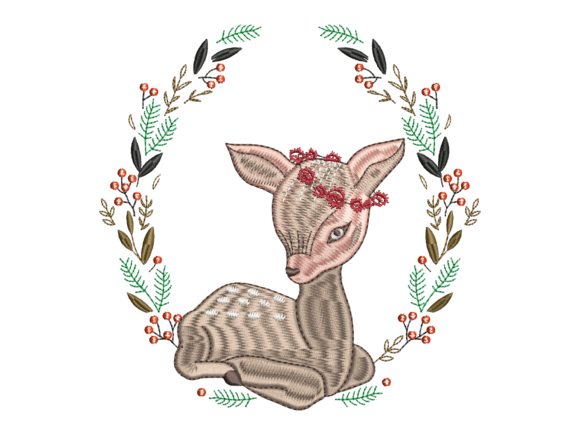
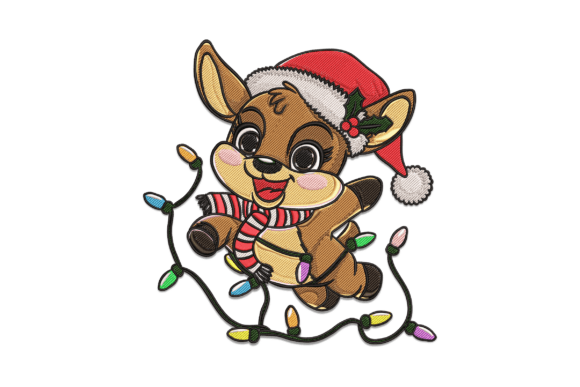
This design immediately struck me as a versatile asset for any craft business. It is not overly complex, which is often a blessing in disguise for high-volume production, yet it retains enough charm to stand out on a boutique shelf. The silhouette of the baby deer is soft and rounded, avoiding sharp angles that can cause puckering on stretchy fabrics. The addition of the Santa hat adds a focal point that draws the eye without overwhelming the composition. For an Etsy seller or small shop owner, this balance is crucial. You need a design that stitches quickly but looks premium.
Real-World Application: The Holiday Tote Test
To truly evaluate this embroidery project, I moved beyond digital mockups and prepared a real-world test. I chose a heavy-weight canvas tote bag, a popular item for holiday gifts and grocery runs. Canvas is forgiving, but it requires proper stabilization to prevent the fabric from pulling into the hoop. I used a medium-weight cut-away stabilizer to ensure the fill stitch areas of the deer’s body remained flat and smooth.
The stitching process was surprisingly efficient. The design utilizes a smart combination of satin stitch for the antlers and hat trim, and dense fill stitches for the body. This variation in stitch type creates visual texture that mimics fur without requiring thousands of extra stitches. On the tote, the Christmas Baby Deer with Santa Hat popped against the neutral background. The thread colors I selected—a rich chestnut brown for the deer and a vibrant red for the hat—created a classic holiday palette that feels timeless rather than trendy. This is important for a personalized gift or small shop product because you want it to remain relevant throughout the entire season, not just for one week in December.
Versatility Across Product Lines
One of the strongest aspects of this digital embroidery file is its adaptability. While it worked beautifully on the tote, I could easily envision it on a variety of other substrates. For baby embroidery, this design is ideal. The lack of tiny, intricate details means it will hold up well after multiple washes, which is a primary concern for parents. Imagine this stitched onto a soft cotton onesie or a burp cloth. The rounded shapes are gentle and appealing to infants, making it a strong seller for nursery decor or baby shower gifts.
For custom apparel, such as sweatshirt embroidery, the design scales well. On a larger hoop, you can increase the size to make a bold statement on the back of a hoodie. Conversely, it works as a subtle chest emblem on a fitted tee. I also see potential for embroidered patch creation. If you stabilize properly and use a tear-away backing, you can create iron-on patches that customers can apply to jackets or bags themselves. This expands your product line without requiring you to embroider every single finished item.
However, context matters. This design fits naturally into holiday embroidery collections, but its simplicity allows it to bridge into winter-themed items that extend beyond Christmas. If you adjust the hat color to blue or green, it could serve as a general winter woodland motif, extending the sales window of your design assets.
Technical Considerations and Fabric Challenges
While the design is robust, there are areas where caution is necessary. As an experienced reviewer, I must point out that stitch density is key. On thin or delicate fabrics, such as silk or lightweight rayon, the fill stitches might cause slight puckering if not stabilized correctly. Always test on scrap fabric first. I recommend using a water-soluble topping for textured fabrics like terry cloth towels or fleece blankets. This prevents the stitches from sinking into the pile, ensuring the deer remains crisp and visible.
Curved surfaces present another challenge. If you plan to use this on caps or hats, ensure your hoop size accommodates the curve without distorting the image. The horizontal width of the deer is moderate, but the antlers add vertical height. Check the dimensions of your specific cap frame to ensure the design does not hit the seams or the brim. Additionally, on dark fabrics, consider using an underlay stitch or a light-colored base layer if your machine and software allow, to prevent the dark fabric from showing through lighter thread colors.
It is also vital to check the file formats provided. The description notes that this machine embroidery design comes with multiple embroidery file formats. Ensure you have the correct format for your specific machine brand before purchasing. Compatibility issues can ruin a production run, so verify this detail early. Furthermore, always confirm licensing terms. If you are a commercial embroidery provider, ensure the license allows for the sale of finished physical goods. Most designers allow this, but it is always best to be certain to protect your business.
Enhancing Brand Value and Customer Trust
From a branding perspective, the Christmas Baby Deer with Santa Hat exudes professionalism. Sloppy digitizing is immediately apparent to customers and can damage trust. This design shows clean pathing and logical stitch direction, which translates to a polished finished product. When customers receive an item with clean edges and no loose threads, they are more likely to leave positive reviews and return for future purchases.
For printable mockup creators and digital product sellers, this design offers high visual appeal. It photographs well because the contrast between the deer and the hat creates depth. Use this to your advantage in marketing materials. Show the design on various items—pillows, aprons, kitchen towels—to demonstrate versatility to potential buyers. Highlighting the quality of the stitch work in close-up photos can significantly boost conversion rates for your craft business.
In conclusion, the Christmas Baby Deer with Santa Hat is a reliable, charming, and commercially viable addition to any embroidery library. It balances aesthetic appeal with technical practicality, making it suitable for both novice hobbyists and seasoned professionals. By paying attention to stabilizer choice, fabric texture, and proper hooping techniques, you can produce high-quality items that delight customers and enhance your brand reputation. Whether you are creating a one-of-a-kind personalized gift or stocking your online store for the holiday rush, this design delivers consistent results.