Review: Decorated Christmas Tree Embroidery Design
As a designer who has spent countless hours digitizing and testing machine embroidery design files, I approach every new asset with a critical eye. It is not just about whether the image looks pretty on a screen; it is about how it translates to thread, how it behaves on fabric, and whether it adds genuine value to a handmade product. Recently, I evaluated the Decorated Christmas Tree design, and I want to share my practical insights for fellow crafters, Etsy sellers, and apparel decorators considering this file for their holiday collections.
First Impressions and Visual Personality
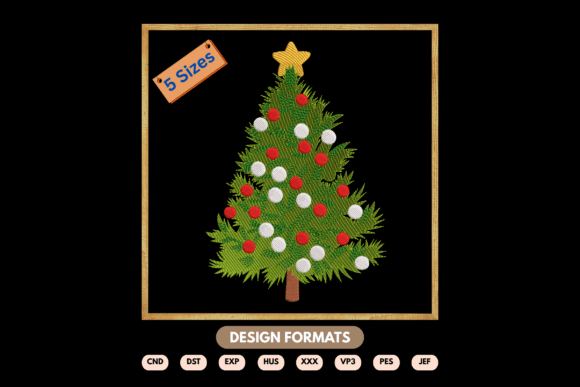
The Decorated Christmas Tree immediately captures a traditional, nostalgic mood. It is not overly modern or abstract; instead, it leans into the classic holiday spirit with a lush, green evergreen silhouette draped in shimmering golden garlands. For a designer, the layout is crucial. This design balances density with open space effectively. The tree shape provides a solid foundation for fill stitch work, while the decorative elements offer opportunities for satin stitch highlights that catch the light.
What stands out is the visual personality. It feels warm and inviting, making it an ideal candidate for items meant to evoke comfort and celebration. Whether you are creating a personalized gift for a family member or stocking your small shop product inventory, this design communicates quality and tradition without feeling cluttered. The distinction between the green foliage and the golden accents suggests a thoughtful approach to thread colors, which is essential for maintaining clarity in the final embroidered patch or garment.
Real-World Application: The Tote Bag Test
To truly understand a design’s potential, I imagine it in a specific real-life scenario. Let’s say I am preparing a custom order for a local boutique: a set of heavy canvas tote bag design prototypes for the holiday season. The Decorated Christmas Tree fits perfectly here. Canvas provides the stability needed for denser stitching, allowing the tree’s details to pop without puckering.
In this context, the design serves as a focal point. It is large enough to be recognized from a distance but detailed enough to reward closer inspection. For an Etsy seller, this versatility is key. You can market it as part of a "Holiday Essentials" collection, pairing it with matching kitchen towels or aprons. The classic aesthetic ensures it appeals to a broad demographic, from young parents looking for baby embroidery ideas to older customers seeking traditional decor.
Versatility Across Product Lines
Beyond tote bags, this embroidery file shows promise in several other categories:
- Sweatshirt embroidery: Placed on the left chest or as a larger back print, the design adds a festive touch to casual wear. The fill stitches provide warmth and texture against fleece or cotton blends.
- Pillow covers: Home decor items benefit from the design’s balanced composition. It sits well within standard square hoops, creating a centered, professional look.
- Kitchen towels: As a holiday embroidery accent, it transforms plain linen into a seasonal staple. However, care must be taken with stitch density to ensure the towel remains absorbent and soft.
- Custom apparel: From children’s dresses to adult cardigans, the traditional theme works universally. It is particularly effective for commercial embroidery projects where brand consistency and recognizability are paramount.
Technical Considerations and Stitching Performance
While the design is visually appealing, its performance depends heavily on execution. As an experienced reviewer, I always advise checking the stitch density before running a full production batch. Dense areas, such as the overlapping garlands or the base of the tree, can cause pulling if the fabric is not properly supported. Using a cut-away stabilizer is recommended for stretchy fabrics like jersey knits, while a tear-away might suffice for stable wovens like cotton or linen.
Another critical factor is hoop size. Ensure your machine’s hoop can accommodate the design’s dimensions without cropping essential details. If you are working with smaller items, such as baby caps or ornaments, you may need to scale the design down. However, be cautious: reducing the size too much can merge fine details, turning distinct garlands into a blob of thread. Always test a scaled-down version on scrap fabric first.
Fabric and Thread Choices
The success of the Decorated Christmas Tree also hinges on material selection. On dark fabrics, the green and gold threads will stand out vividly, creating a striking contrast. On light fabrics, consider using a slightly darker green to maintain definition. The golden garlands should use a high-sheen rayon or polyester thread to mimic the "shimmering" effect described in the product details. Avoid matte threads for these accents, as they will lose their decorative impact.
For textured fabrics like wool or terry cloth, the running stitch outlines may get lost. In such cases, increasing the stitch width or adding a subtle underlay can help anchor the design. Always inspect the finished product for thread breaks or nesting, especially in areas where the design changes direction rapidly.
Commercial Viability and Brand Value
For craft business owners, the right design assets can elevate brand perception. The Decorated Christmas Tree offers a polished, professional look that builds customer trust. When buyers see clean, well-executed embroidery, they associate it with quality and care. This design supports that narrative by offering clear lines and balanced proportions.
Moreover, this digital embroidery file can be used to create compelling printable mockup previews for online listings. A high-quality mockup showing the design on a cozy sweatshirt or a rustic pillow cover can significantly boost buyer engagement. It helps customers visualize the finished product in their own homes, reducing hesitation and increasing conversion rates.
Practical Designer Notes
Before integrating this design into your workflow, keep these practical tips in mind:
- Test on scrap fabric: Never run a new design directly on your final product. Use similar material to check for tension issues and color accuracy.
- Check thread color contrast: Ensure the green and gold threads distinguish clearly against your chosen fabric background. Adjust shades if necessary.
- Review stitch density: Look for overly dense areas that might cause puckering. Add underlay stitches if needed for stability.
- Confirm hoop size: Verify that your equipment can handle the design’s dimensions without resizing that compromises detail.
- Inspect small details: Zoom in on the digital file to ensure garlands and ornaments are distinct and not merged.
- Test in black and white: Convert your mockup to grayscale to check value contrast. If the design looks flat in black and white, it may lack depth in person.
- Verify licensing: Always confirm the license terms for the embroidery project. Ensure you have the right to sell finished items or use the design in commercial products.
In conclusion, the Decorated Christmas Tree is a strong contender for any holiday-themed collection. It balances traditional charm with technical feasibility, making it suitable for a wide range of applications from custom apparel to home decor. By paying attention to fabric choice, stabilizer type, and stitch optimization, you can ensure that each piece you create reflects the high standards your customers expect. Happy stitching!